
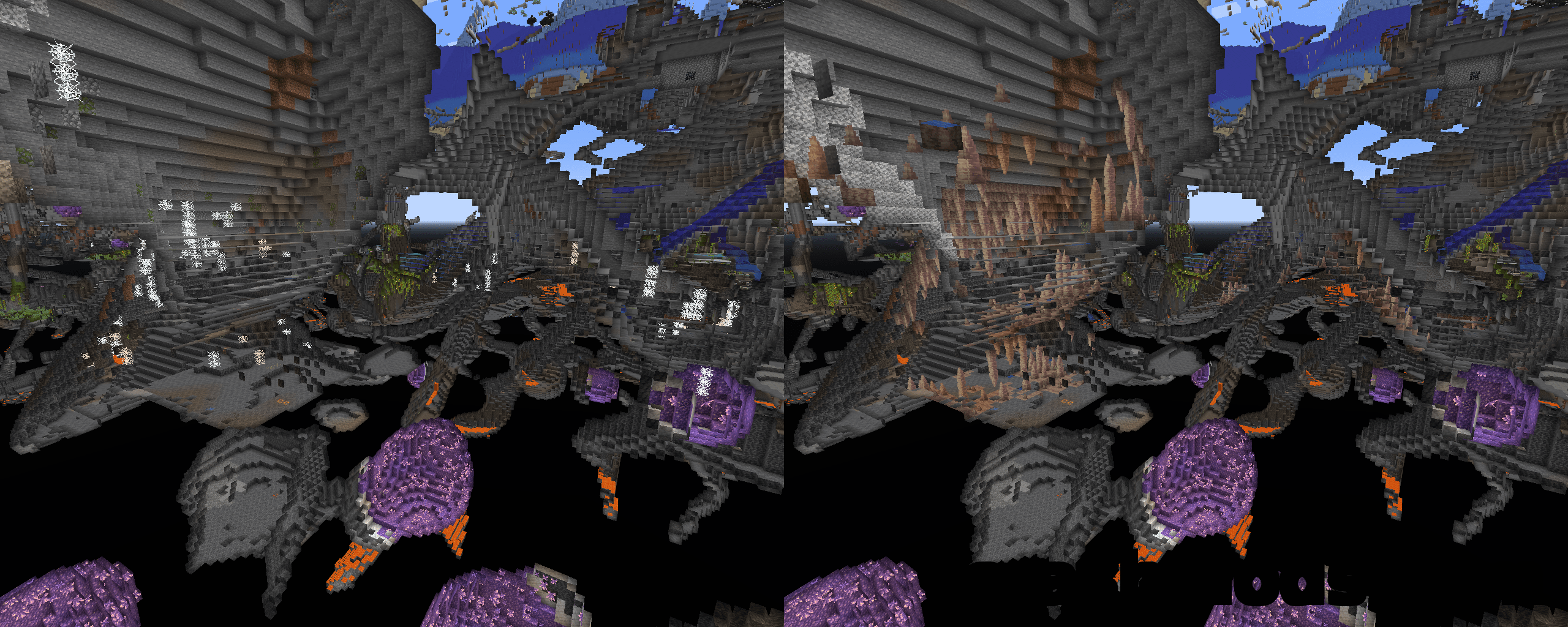
Features:
- Replaces or removes biomes through simple rules in a properties file
- Rules use a plain old biome to new biome syntax
- Biome tags are supported so a whole group can be swapped at once
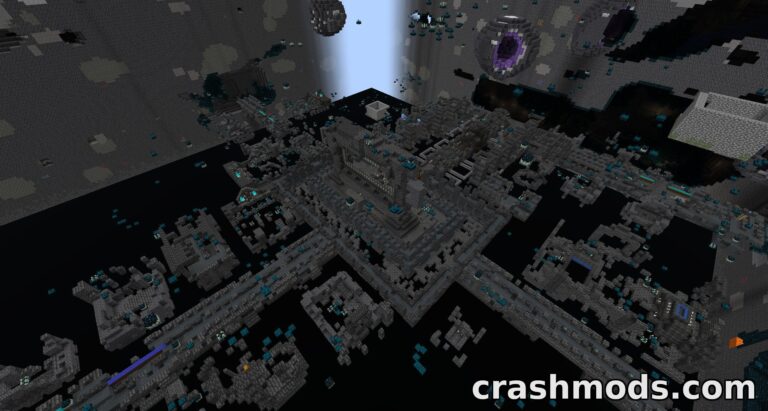
- A null target deletes a biome entirely, such as Terralith’s skylands
- Dimension headers restrict rules to one dimension at a time
- Config file is generated on first launch and typos are reported in chat
- Runs only once at world start with negligible performance impact
- Server-side mod, so clients do not need to install anything
- Works in singleplayer too, with rules reloading by rejoining the world
- Supported biome libraries are TerraBlender and Blueprint
- Cannot change terrain shape, so oceans cannot be turned into land
- Fabric support for Minecraft 1.21.1
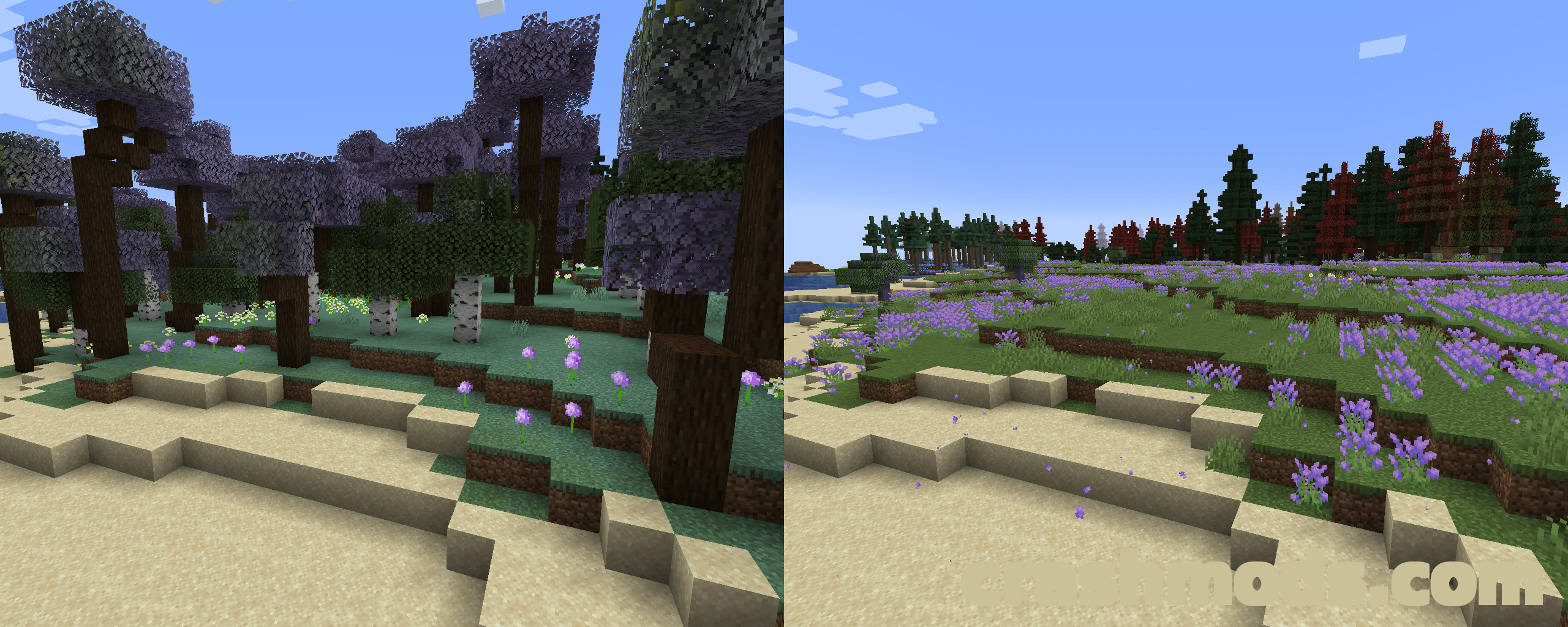
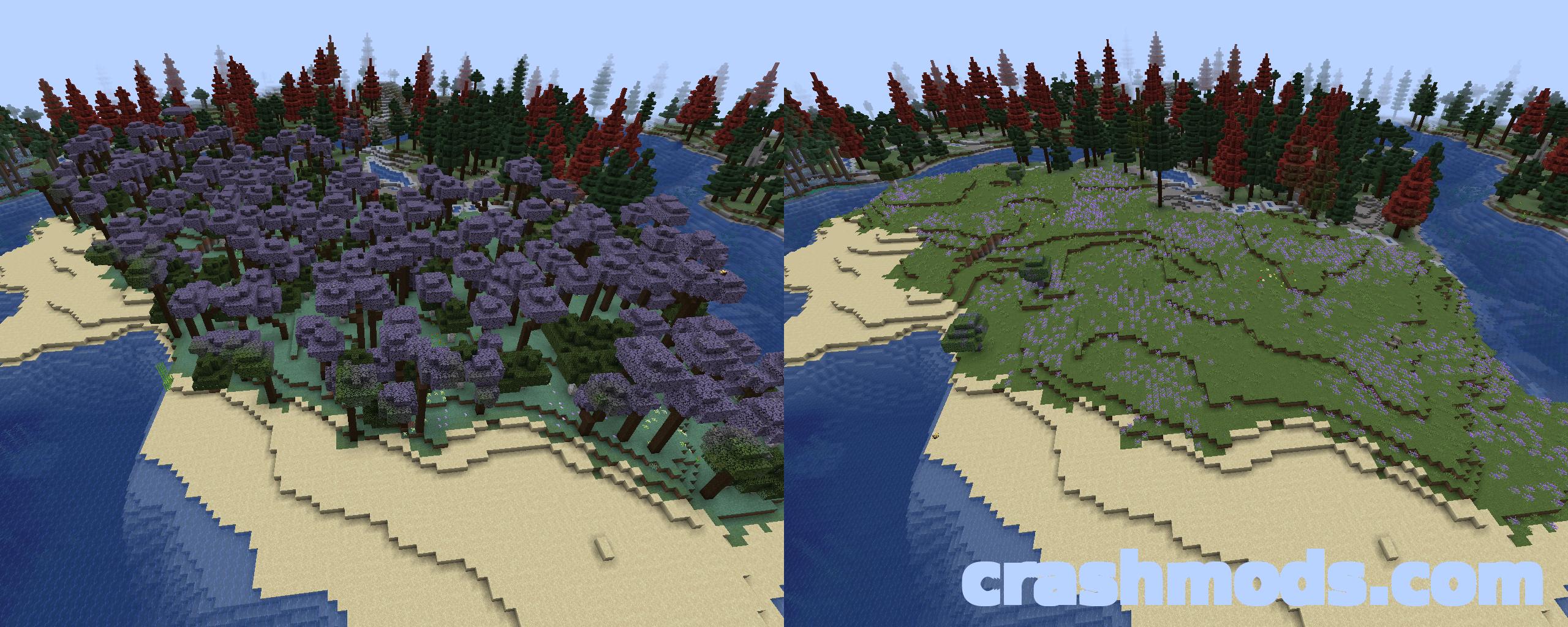
Modern world generation packs are wonderful right up to the moment one biome ruins the run. Biome Replacer exists for exactly that case: it takes a short list of rules and rewrites the biome layout of a world at world start, without touching anything else. The rules live in a plain properties file created the first time the game launches, and they read the way you would say them out loud, naming an old biome and the biome that should take its place.
Biome tags work just as well as individual ids, so an entire forest tag can become desert with a single line, and pointing a rule at null removes the biome altogether, which is the usual way to strip Terralith’s floating skylands out of a world. Headers let a rule apply to only one dimension when a pack generates the same biomes in more than one place. Mistakes are easy to catch, because bad ids show up as warnings in chat, and on a client the rules can be reloaded simply by leaving the world and joining again.
Two boundaries are worth knowing before planning a world around it. The mod cannot reshape terrain, so an ocean will never become dry land no matter which biome replaces it, and biome libraries other than TerraBlender and Blueprint are out of reach, though it still runs happily alongside most world generation mods. Deleting vanilla or datapack biomes carelessly can also upset biome distribution or crash a world, which makes testing on a throwaway save the sensible first step.
All of the work happens once, at world start, so there is no ongoing cost while playing. It runs on the server side, meaning players joining a multiplayer world need nothing installed, while a singleplayer world simply uses the copy already on the client. This Fabric build is made for Minecraft 1.21.1 and is a tiny 0.14 MB download.