
 Farming Simulator
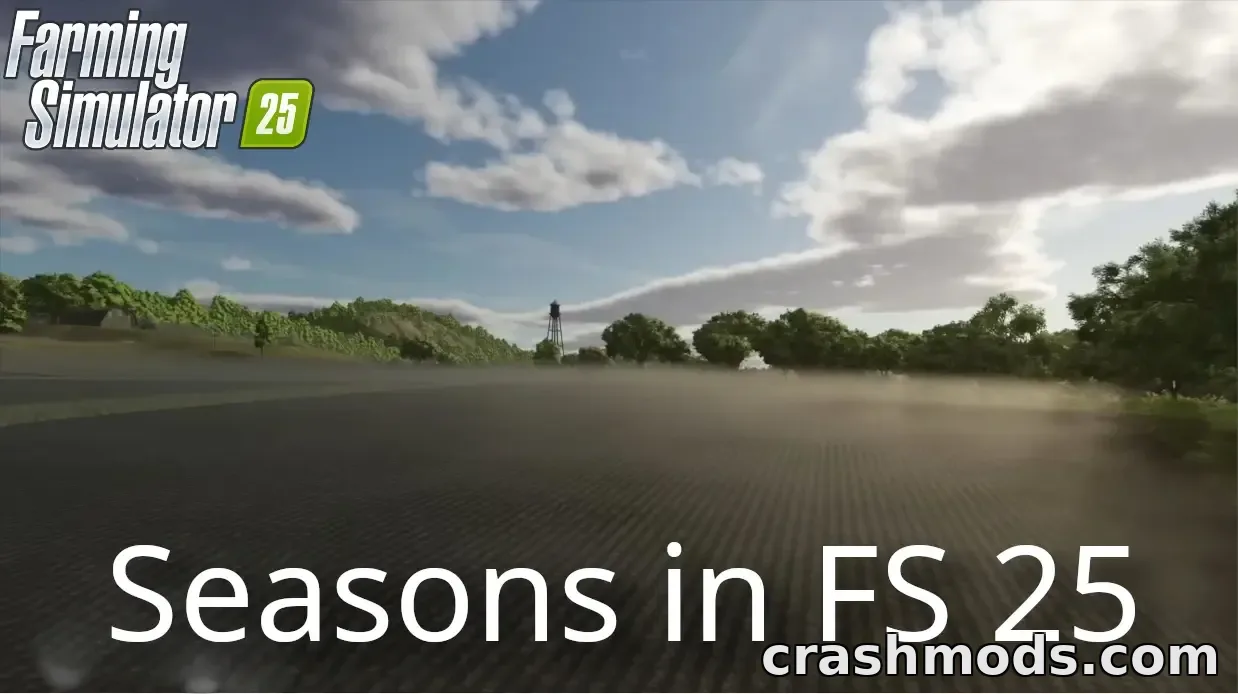

Seasons arrived properly with Farming Simulator 22, and they changed the game from a sandbox into something with a clock running. If you have only played without them, or you are deciding whether to switch them on, this is what you are signing up for.
How the cycle works
The year runs through winter, spring, summer and autumn, with climate and weather shifting as it goes.
By default, one in-game year is 12 days — so a single day covers roughly a month. You are not locked to that. Season length and how the cycle progresses are adjustable, so you can stretch a year out if you want time to work each field properly, or compress it if you would rather see the whole rotation quickly.
What it changes about crops
This is the big one. Planting stops being something you do whenever you have money and becomes something you do on time.
Sow too late and the crop will not be ready before the cold arrives. Leave a ripe field standing too long and you risk losing it to frost. Storing and protecting what you have harvested matters in a way it simply does not in a seasonless game.
What it changes about animals
Livestock need shelter that actually works — against cold in winter and heat in summer. Animals left badly housed do not just perform worse; they can die.
If you run a herd, housing stops being a cosmetic choice.
What it changes about machinery
Leaving equipment out in the cold or parked in autumn mud is no longer free. It is worth building somewhere to put machines when they are not working.
How the map looks through the year
The visual side is a large part of why people turn seasons on.
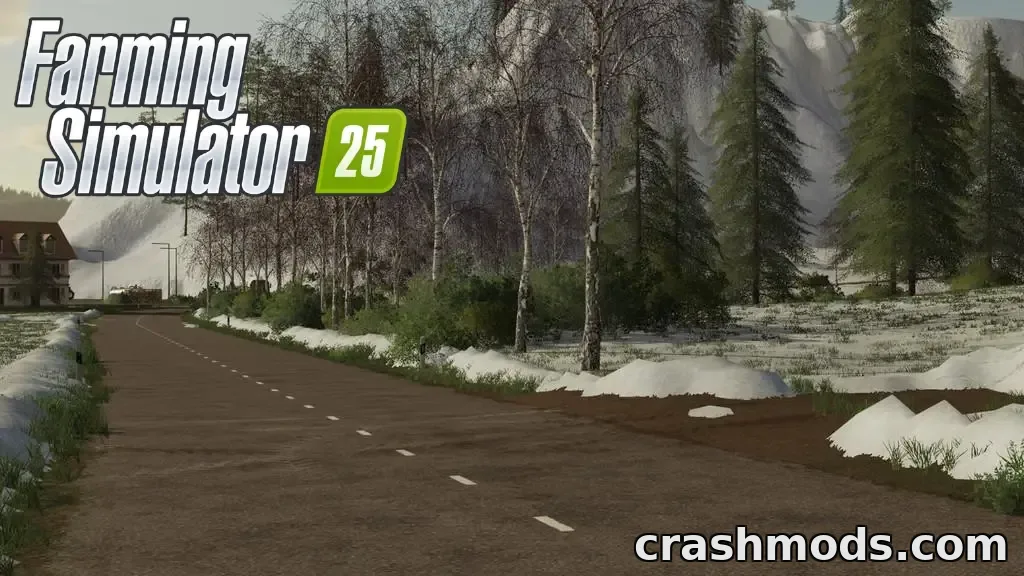
Winter brings snow, frost on the glass and clear, cloudless skies.
Spring is the map waking up — everything starts growing again, and it is when fieldwork gets busy.
Summer is the lushest the map gets: dense green, full rivers.
Autumn is the most atmospheric. Leaves yellow and fall, fog rises, everything turns damp — and there is mud everywhere, which is exactly right for the season.
Mods extend it
Season mods have followed every Farming Simulator release, adding visual variety and extra mechanics on top of what ships in the box. If the base cycle appeals to you, expect the community to build on it.
Worth switching on?
If you want a farm you can dip into casually, seasons will frustrate you — they punish leaving things half-finished.
If you want the simulation to actually simulate something, they are the single setting that changes the game the most. Start with a longer season length while you learn the rhythm, then shorten it once planting dates are second nature.
More Farming Simulator coverage here, and the mod library section is where the seasonal add-ons land.
