
 Farming Simulator


A field in Farming Simulator 25 pays what you put into it. Sow into untreated ground and you will get a crop — just a noticeably smaller one, for the same seed, fuel and hours.
There are eight jobs that change what a field yields. Some are optional. One of them costs you fifteen percent of the harvest if you skip it. Here is all of it, in the order you would actually do it.
1. Cultivating — the reset button

Do this before sowing, whether the field is newly bought or just harvested. It clears weeds, breaks down what is left of the last crop, and loosens the surface.
Skip it and the yield drops sharply. It is not a bonus job; it is the baseline.
You need: a cultivator, from the tools section of the shop.
Two ways to avoid buying one: some seeders cultivate as they sow — the Amazone Cayena 6001 is the usual example — which does both jobs in one pass. A stone picker also loosens the soil while it works, so if you are clearing stones anyway, that covers it. (That only applies if stones are enabled in your settings.)
2. Ploughing — the one you cannot skip
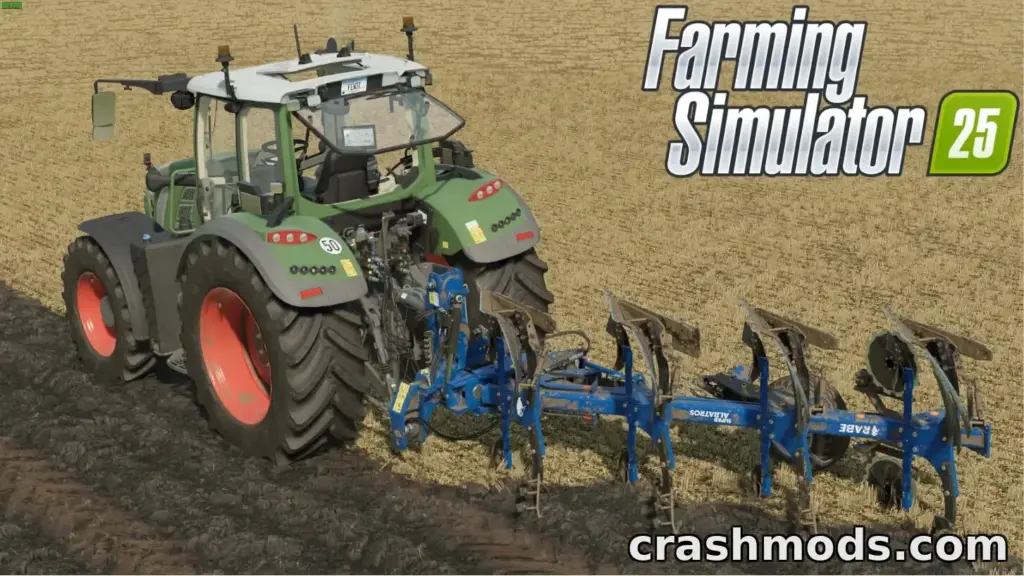
This is where the real money is, because the penalty is explicit: skip ploughing and you lose 15% of your yield.
Ploughing goes deeper than cultivating. It breaks up compacted soil so young plants push through more easily, and it gets oxygen down to the roots — which makes the crop grow faster as well as fuller.
Plough when:
- You are switching to a different crop on that field
- The previous crop was potatoes, corn, sugar cane or beet — these especially demand it
- Always, if you want to avoid the 15% penalty
Ploughs attach to a tractor and are in the tools section of the shop (P, or through the menu with ESC).
3. Liming — the one people forget
Lime keeps the soil’s pH where it should be. Without it, fertility falls away quietly over several seasons and you will not immediately see why your yields are dropping.
You need: a tractor, a spreader that accepts lime, pallets or bags of lime, a trailer to move them and a loader to load them.
Not every spreader handles lime. The shop shows an icon on equipment that does — check it before buying.
When: after harvest, and not often. The general rhythm is around three applications across every two to three planting seasons. When you approach a field, the information window tells you whether it actually needs treating — use that rather than guessing.
4. Weed control — early, or not at all
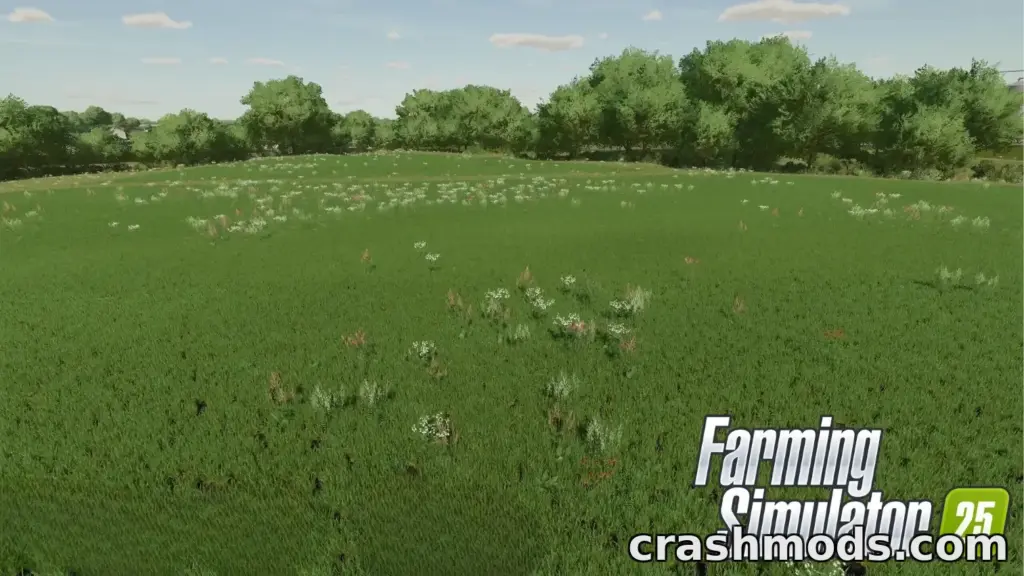
Weeds take space, water and nutrients that should be going into your crop. Left alone they take a visible bite out of the harvest.
Deal with them at the first growth stage. Every stage you let pass costs you more yield, and the loss is not recoverable later.
What to use: a weeder for general work. If the field already has potatoes or a grain crop growing, use a hoe or cultivator instead — a weeder will damage what you are trying to protect.
5. Rolling — small gain, no downside
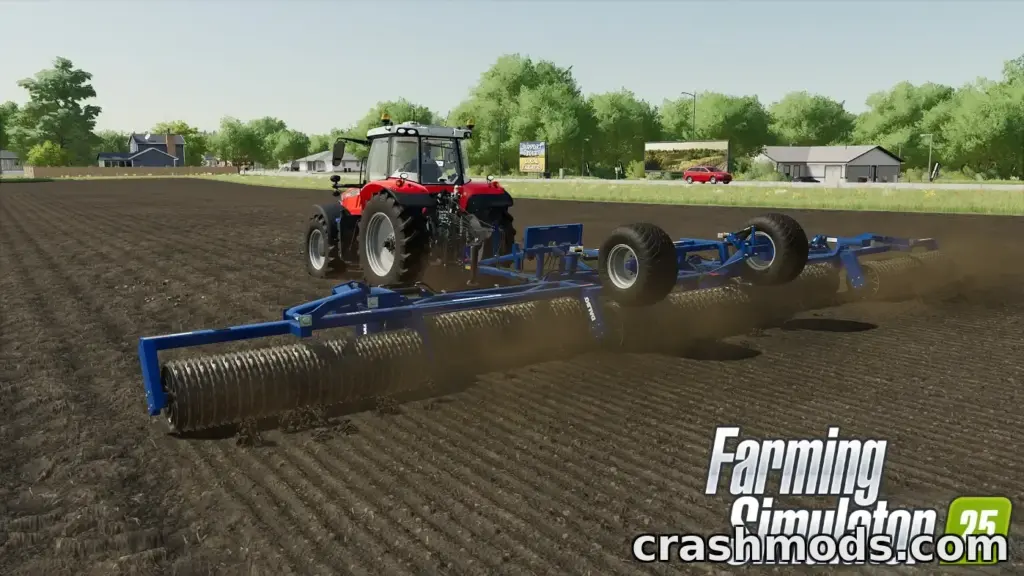
Rolling compacts the surface, clears weeds and pushes stones back into the ground. The yield increase is modest, but the stone handling saves you buying a stone picker at all on lightly affected fields.
We covered this one in detail in the guide to rolling fields.
6. Fertilising — non-negotiable for a full harvest
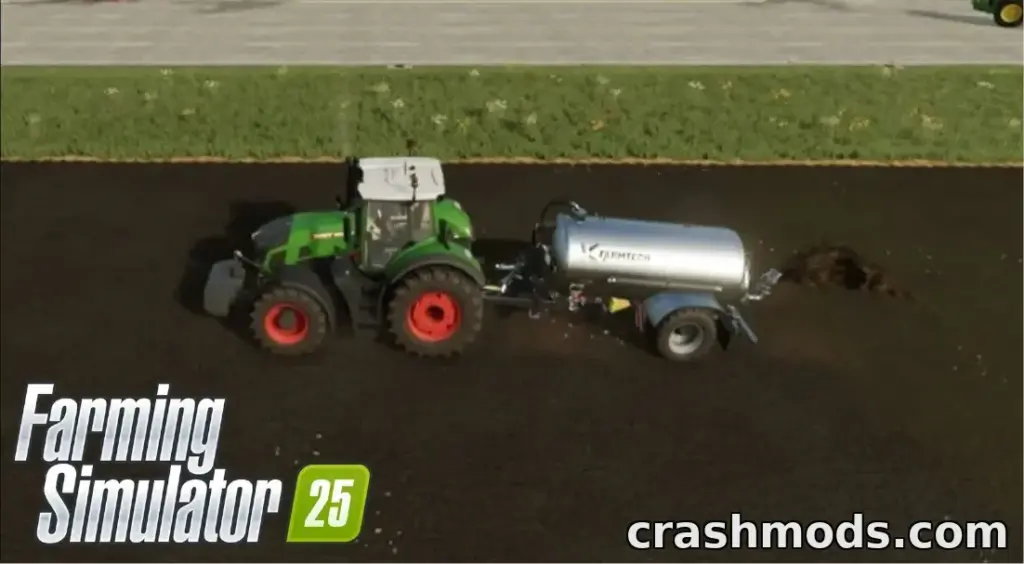
Everything above sets the ground up. Fertiliser is what actually pushes the crop to its maximum.
There is no clever trick to this one: an unfertilised field will not reach full yield, however well you prepared it.
7. Mulching — timing matters more than the machine
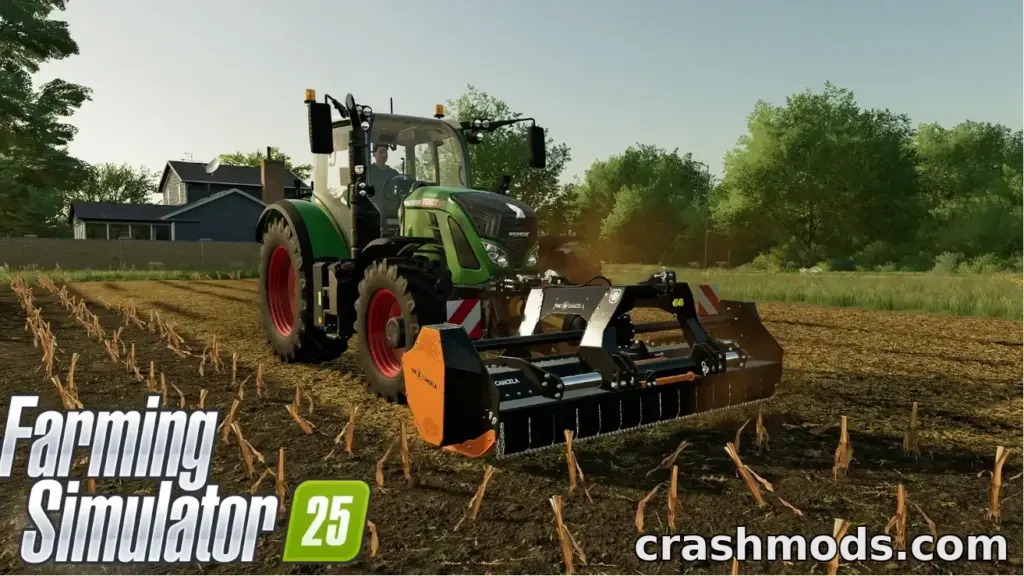
A mulcher clears leftover growth and slows weeds down.
When: right after harvest, or before sowing a new crop.
Which one: mulchers come in a range of sizes and prices. Even a cheap one will do a large field — it just takes longer. Buy to your budget and your field sizes rather than reaching for the biggest.
Check the crop icons shown in the shop: different crops need different mulchers, and that is easy to miss.
How: attach it, drive to the field, activate the mulcher (the key is in your control settings — this catches people out), then work from one edge across in even passes so you do not leave gaps.
8. Stone picking — protects the machinery too
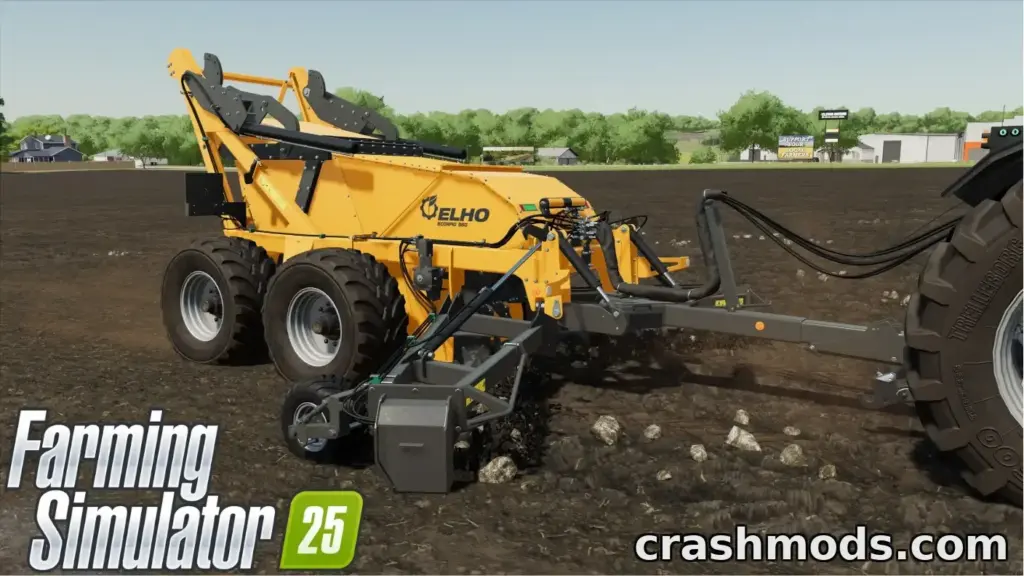
Stones surface after cultivating or ploughing, when the lower soil layers get turned over.
They cost you twice: plants struggle to root around them, and they accelerate wear on your equipment. Every field job afterwards is harder.
Large and medium stones need collecting with a stone picker from the tools section. Small stones do not — a roller will press those back into the ground.
There is a bonus here: collected stones can be delivered to a stone crusher and sold. It is not a fortune, but the job pays for part of itself.
The short version
If you do nothing else, plough. Fifteen percent is the largest single swing on this list and it is entirely within your control.
After that, in order of return: fertilise, cultivate before every sowing, handle weeds while they are young, and keep on top of lime across seasons. Rolling, mulching and stone picking are the finishing work — worth doing, but they will not rescue a field you never ploughed.
More FS25 guides here, and the mod library section if the base implements are not enough.
